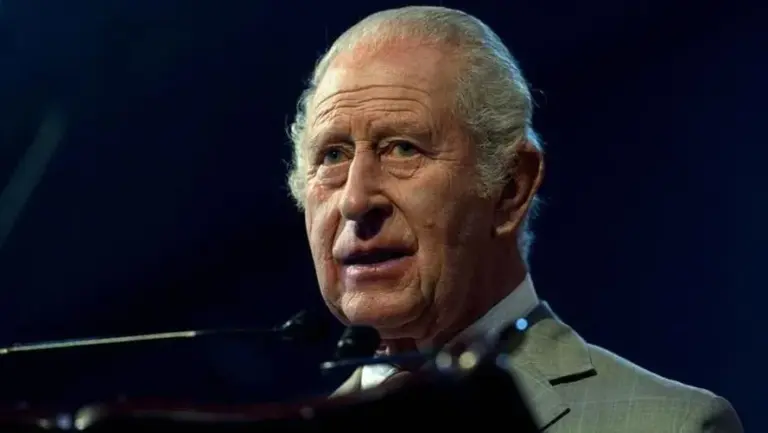
King Charles III opened the Commonwealth Heads of Government Meeting in Antigua and Barbuda this week with a somber reflection on the enduring trauma of the transatlantic slave trade. Addressing leaders from 56 member states, the monarch described the historical period as a shameful chapter that continues to cast a long shadow over many island nations. He noted that his own understanding of these atrocities has grown through a process of listening and learning, stating that the monstrous injustice of the era fills him with horror and profound personal sorrow.
While the King’s words were emotionally charged, they stopped short of offering a formal apology or mentioning financial reparations. This distinction comes at a sensitive time, as discussions surrounding Britain’s role in transporting millions of enslaved Africans have dominated the lead up to the summit. Despite pressure for more concrete admissions of guilt, King Charles emphasized that while we cannot change the actions of ancestors, there is an essential need to learn from the past so that evil does not have the final word.
Accompanying the monarch, Prime Minister Andy Burnham echoed this sentiment by shifting the focus toward tangible future partnerships. Rather than dwelling solely on historic grievances, both men suggested that the path forward lies in tackling modern crises such as climate change, healthcare deficiencies, and educational gaps. The Prime Minister signaled a willingness to move beyond rhetoric by discussing debt resets for smaller nations and proposing a fifty four million dollar investment into critical Caribbean infrastructure over the coming three years.
The tension between acknowledging past crimes and funding future growth remains central to the identity of the Commonwealth today. With its membership consisting largely of former colonies representing fifteen percent of the global economy, the organization finds itself at a crossroads. For now, Britain appears to be betting on strategic investments and diplomatic cooperation as a means of healing old wounds without opening the legal door to systemic reparations.